
Hello, I'm Jimmy

I'm an ego-free medical writer, editor, and communications strategist. Evidence-based medicine is my jam.

Recent Articles

How Complement 3 Glomerulopathy Is Diagnosed: Step-by-Step

Complement 3 glomerulopathy (C3G) is diagnosed through a step-wise process that combines clinical findings, lab tests, and—most critically—a kidney biopsy. A kidney biopsy is essential to make a definitive diagnosis.

Complement 3 glomerulopathy may first be suspected when a person develops classic signs of kidney disease, such as:

Although these symptoms can point to any number of kidney diseases, C3G may be among the suspects if symptoms—particularly hematuria—come and go, or worsen after a...
How UTIs Differ in Older Adults

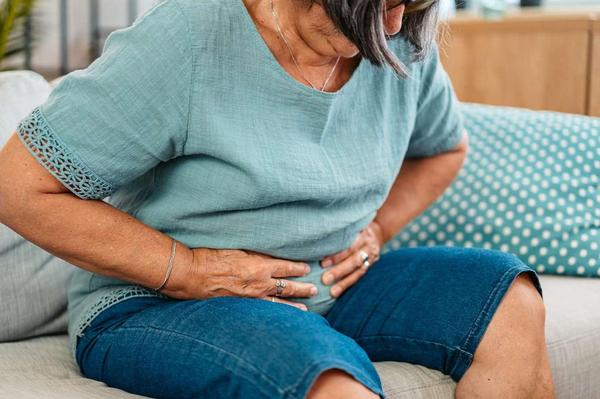
Urinary tract infections (UTIs) are common in adults 65 and older, mainly due to age-related factors like malnutrition, poor bladder control, and uncontrolled diabetes.

Symptoms in older adults may also differ from those of younger people, with typical symptoms including pain during urination and atypical ones being drowsiness, confusion, loss of appetite, and delirium (a state of confusion and disorientation that usually occurs abruptly and is temporary).

UTIs can be misdiagnosed in older a...

What Happens to Your Cholesterol When You Walk Every Day

Walking regularly, especially at a brisk pace, can help improve your cholesterol levels and protect your heart. Studies show moderate-intensity exercise like brisk walking may raise “good” HDL cholesterol and lower “bad” LDL cholesterol over time.

High cholesterol (hypercholesterolemia) affects 1 in 3 adults in the United States and directly contributes to around 500,000 deaths from cardiovascular diseases (like heart attack and stroke) each year.

Hypercholesterolemia refers to high LDL chol...

9 Ways to Keep Your Kidneys Healthy

You can take steps to improve your kidney health. These include lifestyle changes like increasing your intake of fluid, eating a healthier diet, losing excess weight, and controlling your blood pressure. You can also prevent kidney damage by quitting cigarettes and avoiding the overuse of nonsteroidal anti-inflammatory drugs (NSAIDs).

The kidneys are two bean-shaped organs whose primary functions are filtering waste from the blood and maintaining the optimal fluid balance in your body. Located...

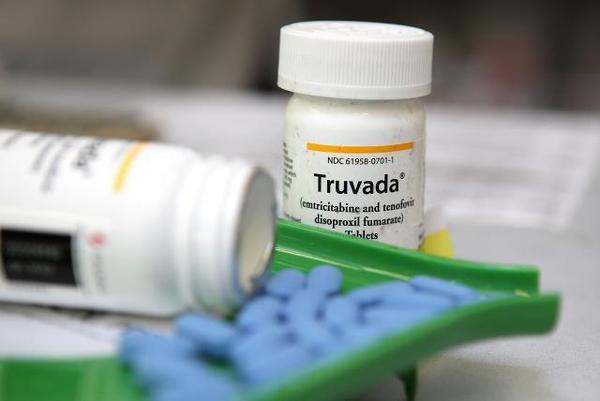
How Effective Is PrEP at Preventing HIV?

When taken as prescribed, HIV pre-exposure prophylaxis (PrEP) can reduce the risk of getting HIV from sex by up to 99% and from injection drug use by more than 70%. These include oral drugs like Truvada and Descovy and long-acting injectable drugs like Apretude and Yeztugo that are prescribed to people at high risk for infection.

Anyone can get HIV. Your sex, age, sexual orientation, race, and ethnicity do not independently factor into your risk. PrEP is for those considered to be at a hig...

What to Expect If Undergoing Kidney Removal (Nephrectomy)

Kidney removal, or nephrectomy, is a type of surgery that removes part of a kidney (partial nephrectomy) or all of a kidney (simple or radical nephrectomy). There are different approaches to kidney removal surgery, including open and laparoscopic surgery.

A nephrectomy is a major surgery that may be performed if there is irreversible damage caused by an injury, a chronic infection, or diseases like polycystic kidney disease or kidney cancer.

This article describes the different types of kidn...

How Common Is HIV Today?

Although HIV doesn’t grab the world headlines as it did during the height of the AIDS pandemic, it remains a major global health concern. In 2023, an estimated 1.7 million people were newly infected worldwide. In 2022 (the most recent year for which statistics are available, there were over 38,000 new infections in the United States.

As with all pandemics, some groups are hit harder than others, and not only is the number of new cases rising, but so, too, are the odds of getting HIV if you’re...

Can a Lack of Sleep Cause High Blood Pressure?

If you don't get the recommended hours of sleep—generally between seven and nine hours a night—your blood pressure can rise, contributing to high blood pressure (hypertension). Lack of ample sleep throws off your body's internal clock, triggering a surge in stress hormones that cause blood vessels to narrow and blood pressure to rise.

Sleep provides the body with a period of rest to repair and recharge itself. During sleep, the body cycles through processes to remove waste, repair tissues, boo...

Helpful HIV Resources

Learning to live with HIV can feel like a full-time job, between paperwork and phone calls to all of the different programs for healthcare and other services — but you don’t have to go it alone. There are numerous nonprofit organizations and government programs that offer guidance and support to help you thrive while living with HIV.Here are resources where you can find a doctor, get help paying for treatment, locate affordable housing, and discover mental health services you might need.People w...

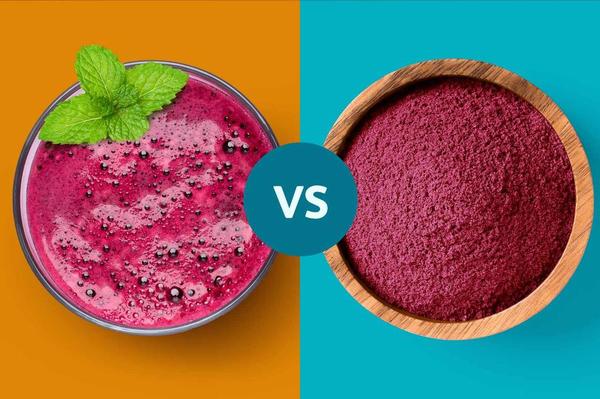
Beet Juice vs Powder: Which Works Better for Lowering Blood Pressure?

Beet juice is generally better than beet powder at reducing blood pressure because it contains a higher concentration of nitrates and polyphenols, which directly and indirectly contribute to the plant's blood pressure-lowering effects. With that said, beet powder offers certain benefits, including convenience and a lower sugar content for those managing diabetes.

Hypertension (high blood pressure) is a chronic health condition affecting nearly half of all adults in the United States.

Althoug...

Can Sex Lower Your Blood Pressure?

Engaging in sex can temporarily lower your blood pressure and, over the long term, may reduce the risk of heart attack or stroke. However, individuals with severe or uncontrolled high blood pressure (hypertension) should speak with their healthcare provider to determine if sex poses any health risks.

Sex can be regarded as a form of exercise that can benefit your heart health, whether or not you have hypertension or any other form of cardiovascular disease.

Exercise helps strengthen the hear...

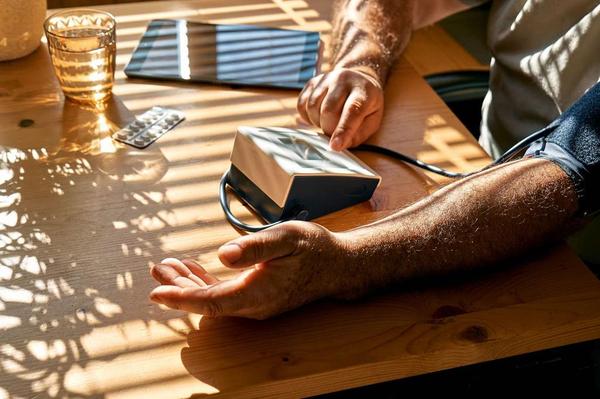
What Time of Day Is Your Blood Pressure Highest?

Blood pressure typically rises around 6:00 a.m. as you start to awaken from sleep and peaks around 10:00 a.m., commonly known as the "morning surge." However, not everyone follows this pattern, and some will experience "reverse dipping," in which the nighttime blood pressure is higher than the daytime blood pressure.

Numerous physiological and biochemical events contribute to morning blood pressure surges. These are primarily directed by the body's internal clock, known as the circadian rhythm...

Comparing Personal Lubricants: Pros and Cons

Personal lubricants, also known as lube, are gels or liquids used to reduce friction during sexual intercourse, masturbation, and other sexual activities. The different formulations—water-based, silicone-based, and oil-based—all have benefits and drawbacks, including their effect on sensitive skin and whether they can be used with latex condoms.

Jump to Key Takeaways.

Personal lubricants sold over the counter are intended for sexual activity when natural lubrication (such as vaginal secretio...

Treating Metastatis Castration-Resistant Prostate Cancer

The treatment of metastatic castration-resistant prostate cancer (mCRPC) involves a combination of therapies, including chemotherapy, hormone therapy, immunotherapy, and different medications that target bone metastases.

The treatment plan can vary due to genetic mutations and other factors that can make some drugs effective in some people but not others. With appropriate treatment, people with this advanced form of prostate cancer can enjoy a better quality of life and longer disease-free sur...

10 Home Remedies Proven to Help Pass and Prevent Kidney Stones Naturally

Kidney stones smaller than a quarter inch often pass on their own, but drinking plenty of water and some home remedies can make the process easier and less painful. Larger stones usually need medical treatment, though natural treatments may still help support recovery under a healthcare provider's care.

If you have been diagnosed with a kidney stone, aim to drink 12 to 16 cups of water daily. Consume water at regular intervals throughout the day and as much as possible throughout the night....

What Happens to Your Blood Pressure When You Take Creatine Every Day

Creatine supplements, typically used to boost athletic performance, may affect blood pressure in certain people. Even so, study results are mixed, with some suggesting that creatine can help lower blood pressure, while others have found that it has no effect or may even raise blood pressure.

Although studies suggest that creatine supplements may affect blood pressure, the findings are often contradictory. In some groups, creatinine may have a beneficial effect, lowering systolic (upper) and/or...

How Long Does COVID-19 Really Linger on Surfaces?

COVID-19 can live on nonporous surfaces such as metal and plastic for up to a week, depending on environmental factors like temperature and humidity. While the chance of contracting the virus through surface contact is relatively low, regular cleaning and disinfecting remain effective preventive measures.

Severe acute respiratory syndrome coronavirus 2 (SARS‑CoV‑2) virus is a strain of coronavirus that causes COVID-19.

The virus spreads when droplets from someone with COVID-19 are expelled,...

Symptoms of Lymphoma People Often Miss

Lymphoma symptoms can vary depending on the type of lymphoma you have and the location of the malignancy (cancer). With both Hodgkin lymphoma (HL) and non-Hodgkin lymphoma (NHL), symptoms typically start with fever, unexplained weight loss, and night sweats.

However, because HL and NHL affect different types of white blood cells (known as lymphocytes) and have different patterns of development, the signs and symptoms can differ as the diseases progress. With HL, there may be coughing and breat...

9 Signs You’re Eating Too Much Salt

Ninety percent of people in the United States eat too much salt, the body's main source of sodium. Although many people don't experience notable symptoms, eating too much salt can still cause long-term harm in the form of hypertension (high blood pressure), a condition that affects five of every 10 adults in the United States.

You can watch out for certain telltale signs of high sodium, including persistent thirst, fatigue, headaches, heart palpitations, and puffiness. By cutting back on salt,...

Can a UTI Go Away On Its Own?

An uncomplicated urinary tract infection (UTI) can sometimes go away on its own without treatment. This is especially true for a UTI without symptoms, known as asymptomatic bacteriuria.

Some mild symptomatic cases may also clear on their own, but there are risks associated with an untreated UTI, including recurrent infections, kidney injury, and pregnancy complications.

Even with concerns about growing rates of antibiotic resistance—when bacteria become less susceptible to certain antibiotic...

What Are My Options for Kidney Removal (Nephrectomy)?

Kidney removal, or nephrectomy, is a type of surgery that removes part of a kidney (partial nephrectomy) or all of a kidney (simple or radical nephrectomy). There are different approaches to kidney removal surgery, including open and laparoscopic surgery.

A nephrectomy is a major surgery that may be performed if there is irreversible damage caused by an injury, a chronic infection, or diseases like polycystic kidney disease or kidney cancer.

This article describes the different types of kidn...

Pros and Cons of a Penile Implant

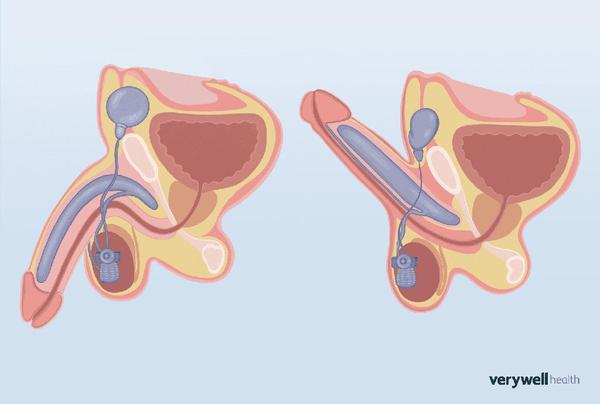
A penile implant is a device surgically inserted into the penis to treat erectile dysfunction (ED). There are two forms of implants, one that is inflatable and another that consists of a malleable rod you can bend. Various penile prosthetics are approved by the Food and Drug Administration (FDA) for implantation and come in different sizes and materials.

While effective in enabling an erection suitable for sexual intercourse, penile implant surgery carries significant risks, including the risk...

How Do Hydrocele and Varicocele Differ?

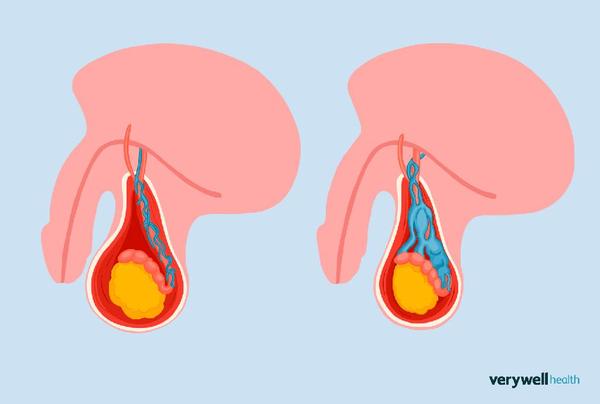
Hydrocele and varicocele are two conditions affecting the external male genitalia. Hydrocele is the swelling of the scrotum caused by the accumulation of fluid around one or both testicles, while varicocele is the swelling of a group of veins servicing the testicles.

Hydrocele and varicocele differ not only by their causes and symptoms but also by the age groups they affect. Depending on the severity or persistence of symptoms, the conditions may or may not require treatment. Surgery may be re...

8 Fruits to Boost Your Testosterone Naturally

Some fruits may help boost testosterone levels either by providing key nutrients like zinc and magnesium, protecting testosterone-producing Leydig cells, or directly stimulating testosterone production. While these fruits are not a medical treatment for low testosterone, they can support hormonal health when combined with a healthy diet, exercise, sleep, and stress reduction.

Pomegranates are rich in antioxidants that studies in animals show can protect testosterone-producing Leydig cells from...
Load More

A little bit about me.

I'm an accomplished and versatile medical writer, editor, and healthcare communications strategist with 15+ years' experience shaping health narratives across media, nonprofit, and brand settings.

I'm skilled in translating complex scientific information into compelling, accurate, and accessible content for healthcare professionals and consumers alike.

    • AMA, AP, and Chicago manuals
    • MLR/FDA compliance
    • SEO, analytics, and content optimization (Semrush, Ahrefs, GA4)
    • Brand messaging and multi-channel campaign development
    • Cross-functional collaboration with creative, media, and analytics teams
    • Editorial management, workflow optimization, and team mentorship
    • Stakeholder engagement